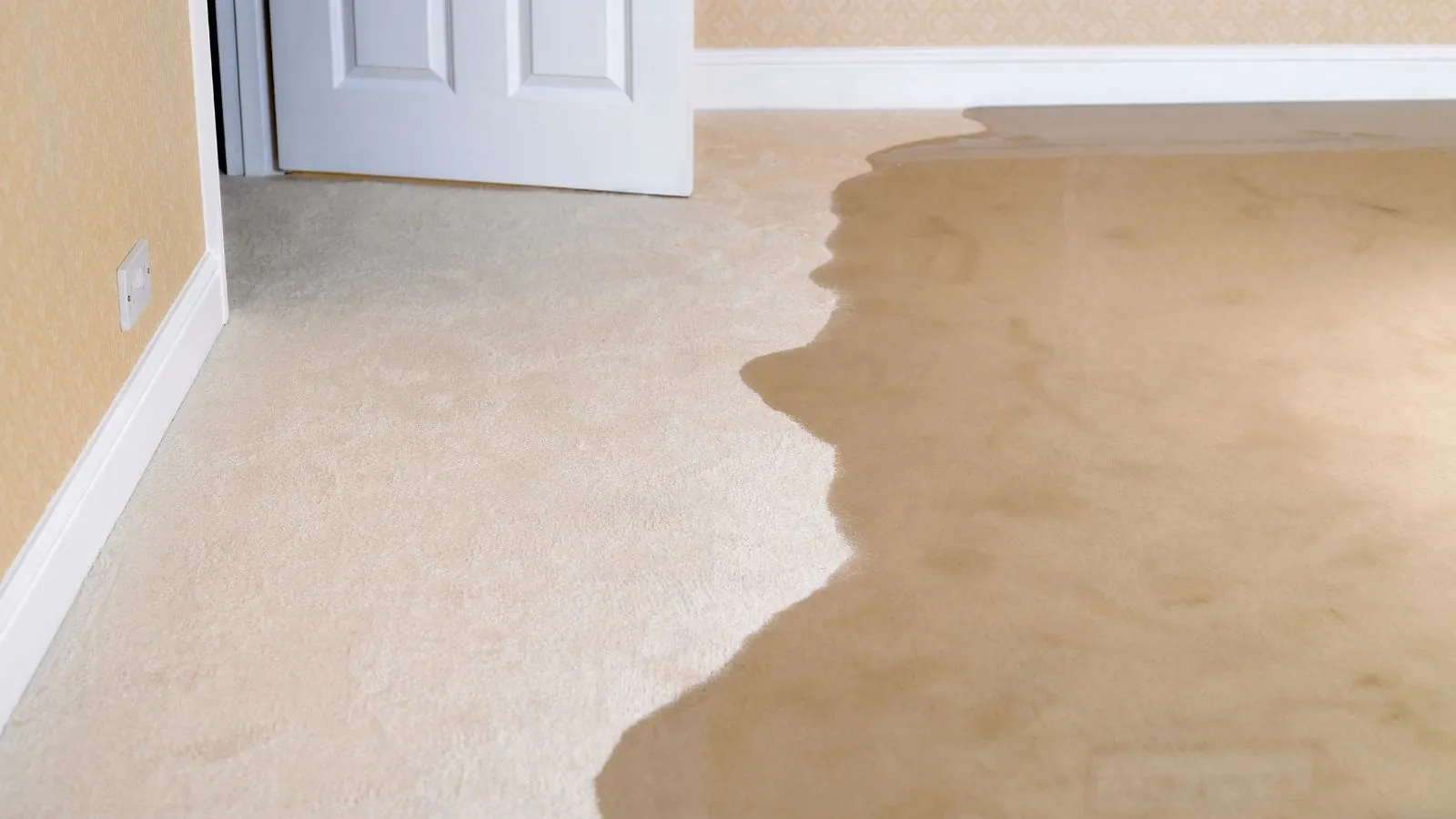
How Carpet and Pad React to Water
Carpet is a surface layer over a pad that acts like a sponge. Water soaks through the carpet, into the pad and sometimes into the subfloor, and the pad holds it long after the surface feels dry.
That is why carpet needs more than a fan. Pulling a corner and checking the pad is the first step, and it tells the crew how deep the water went.
Why Carpet Gets Wet Here
Census figures from 2020 show about 61 percent of Bellflower homes are rented, so wall-to-wall carpet laid for a previous tenant is common. The city's draft housing element says most homes were built before 1970, and old carpet over old subfloor can hide older leaks.
NOAA normals for Long Beach show about 10.5 inches of rain between November and March, which is when door thresholds, patios and windows leak onto carpet.
Can the Carpet Be Saved?
| Situation | Usual outcome |
|---|---|
| Clean water, caught within a day | Often dried in place with the pad replaced if needed. |
| Clean water, wet for several days | Carpet may be saved, pad is usually replaced. |
| Cloudy or dirty water from outside or a drain | Carpet and pad are usually removed. |
| Sewage water | Carpet and pad are removed and discarded. |
| Water over a wet slab or subfloor that stays damp | Lift to dry the floor, then reinstall or replace. |
Safety Steps for Wet Carpet
Stop the source and keep power off in wet rooms if you can reach the panel safely. Walking on wet carpet pushes water deeper and can spread dirt, so limit foot traffic. Wet carpet over a concrete floor can be slick.
If the water is dirty or came from a drain, keep children and pets out and do not run a household vacuum on it.
- Close the water source and lift furniture off the carpet.
- Place foil or plastic under furniture legs to stop staining.
- Remove rugs and small items.
- Photograph the wet area before it is moved.
- Open windows only if the weather and security allow.
How Carpet Is Dried
The crew extracts water with a wand or an extraction unit, then lifts a corner and checks the pad and subfloor with a moisture meter. If the carpet can stay, it is floated on air with the pad removed or dried, and air movers and dehumidifiers run until readings match dry reference spots.
If it cannot stay, it is cut into strips and removed. We use the ANSI/IICRC S500 reference as a guide for these decisions and not as a certification claim. Tack strips and baseboards are also checked.
Related Services
If the water is standing deep, start with emergency water removal. For wider drying of walls and subfloor, see water mitigation.
Once the floor is dry, new pad and carpet can be installed by a flooring contractor, and the larger rebuild is covered under water damage repair.
What Changes the Cost
The cost depends on how many square feet are wet, whether the pad must be replaced, the water category, whether the subfloor is wet, and how many drying days the readings call for.
A single wet room that dried in a day is a smaller job than a carpeted hallway and two bedrooms that sat wet over a weekend. Scope and price are explained before work starts.
Insurance Fit
Sudden and accidental water, such as a supply line failure, is often covered, while long seeps and flood are often treated differently. The California Department of Insurance says flood is generally excluded from standard homeowners policies and requires separate coverage.
Renters policies may cover personal items but not the building's carpet, so check with the property manager. Keep photos and receipts.
Mistakes and Prevention
The biggest mistake is putting a fan on wet carpet and calling it done. The pad stays wet and the smell returns. Another is shampooing wet carpet, which adds more water.
Fix leaks at doors and windows before the rainy season, and keep furniture off carpet that has been wet until it reads dry.
Carpet Service Areas
We also serve carpeted homes in Norwalk and Paramount.
Carpet Water Damage FAQ
Yes. The dispatch line is open 24 hours a day, every day. Same-day response is offered when crews are available, and no arrival time is promised.
The sooner the better. Carpet and pad that stay wet for more than a day or two are much harder to save.
Often yes, since pad holds water and rarely dries fully. The crew checks it with a meter.
The crew can discuss cleaning options for carpet that stays. Drying comes first.
It can, especially after long wetting or with dirty water. The crew will tell you what to expect.