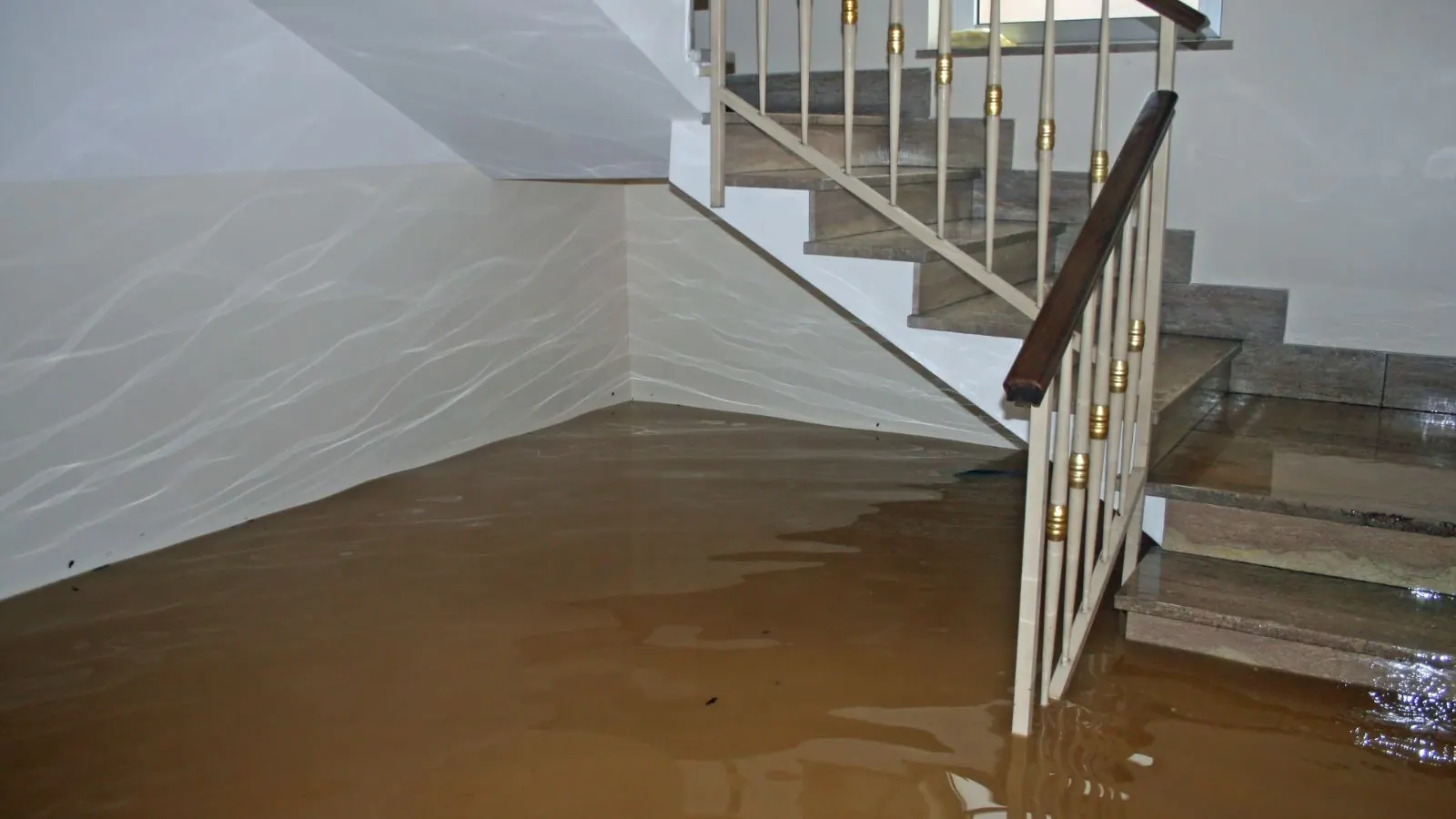
Why Sewer Lines Back Up
Most backups come from a blockage in the line serving the home. Roots, grease, wipes and a collapsed section of old pipe all stop flow. The city's draft housing element reports that most Bellflower homes were built before 1970, and a lateral that old can have cracks and root intrusion.
A blockage in the city main can back up several homes at once, and a blockage in the private line affects just one. Public Works at (562) 804-1424 can tell you whether a main line issue is known, and a plumber can camera the lateral.
What a Backup Looks Like
| What you see | What it usually means |
|---|---|
| Water rising in a tub or shower when a toilet is flushed | The lateral is blocked below the lowest fixtures. |
| Gurgling from drains | Air is trapped by a partial blockage. |
| Dark water and a strong odor at a floor drain | Sewage is coming back up the line. |
| Several fixtures slow at once | The blockage is in the main line, not one drain. |
| A wet patch in the yard above the line | A broken lateral may be leaking. |
Safety Steps for a Sewage Backup
Treat all of the water as contaminated. Keep children, pets and anyone with a medical concern out of the room. Do not walk through it barefoot and do not touch it without waterproof gloves and boots.
Stop using sinks, toilets, the dishwasher and the washing machine, since more water only adds to the problem. Switch off power to wet areas only if you can reach the panel without wading. Do not mix cleaning chemicals.
- Stop using all water in the home.
- Keep people and pets out of the wet area.
- Wear boots and waterproof gloves if you must go in.
- Photograph the water before it is moved.
- Call a plumber for the blockage and us for the cleanup.
How a Sewage Cleanup Is Done
Crews arrive with protective suits, respirators, gloves and boots. Standing water is extracted with equipment kept for contaminated water, and porous materials that touched it, such as carpet, pad, drywall, insulation and cabinet bases, are removed and bagged.
Hard surfaces and framing are cleaned and treated with an antimicrobial, then dried with air movers and dehumidifiers. The ANSI/IICRC S500 reference classifies this as Category 3 water, and we use it as a guide and not as a certification claim. Readings confirm the structure is dry.
Where Cleanup Ends and Plumbing Begins
We do not clear or repair sewer lines. A plumber does that, often with a camera, and should finish before we start so water does not return. Once the line is clear, we clean and dry.
For clean water events see emergency water removal. For wider contaminated-water events, flood damage restoration explains the broader process.
What Changes the Cost
Contaminated water raises the scope. The cost depends on how many rooms were affected, how much porous material must be removed, whether the water sat long, the amount of protective gear and disposal required, and how many days of drying follow.
Scope and price are explained before work starts.
Insurance Fit
A sewer backup is often not covered by a standard homeowners policy unless an endorsement for water or sewer backup was added. Some policies limit it to a fixed amount. This is separate from flood, which the California Department of Insurance says is generally excluded.
Read your declarations page and call your insurer before the room is cleaned if possible. Photos of the water and the plumber's invoice help.
Mistakes and Prevention
Do not clean it up with a household mop and bleach. Do not run fans before the area has been assessed, since they can spread airborne particles. Do not keep flushing to see if the blockage clears.
Do not flush wipes, keep grease out of drains, and ask a plumber to camera the lateral if the home is old and has had slow drains.
Sewage Cleanup in Nearby Towns
The same crews cover Paramount and Norwalk.
Sewage Backup Cleanup FAQ
Yes. The dispatch line is open 24 hours a day, every day. Same-day response is offered when crews are available, and no arrival time is promised.
Small spills on hard surfaces can be handled with protection, but anything that reached carpet, drywall or a large floor area needs professional handling.
Usually yes. Carpet and pad that touched sewage water are generally removed because they cannot be reliably cleaned.
Call a plumber to stop the source. Call us for cleanup. The two can happen the same day.
The crew can show you cleaning steps and moisture readings, and you can ask for written scope.